Car Rental for a Ski Trip: Palandöken and Sierra Nevada
What to check when renting a car for Erzurum Palandöken and Granada Sierra Nevada: winter tyres, snow chains,…
The daily rate alone tells you nothing. We break down every line that makes up the real cost so you can compare two offers properly.
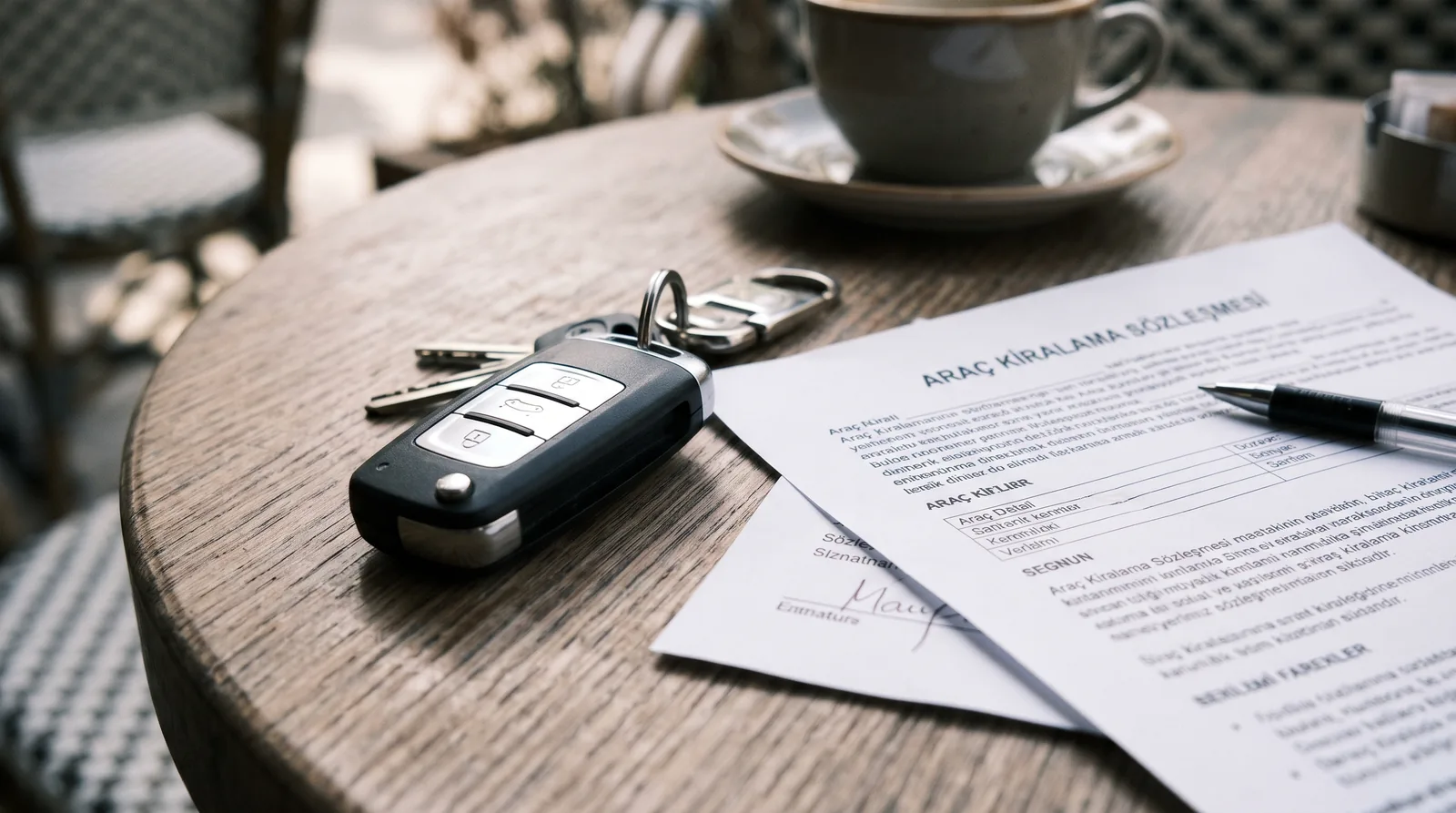
Two listings sit side by side: one at €38 a day, the other at €46. Which is cheaper? Usually not the one that looks it. The daily rate is only one part of the total.
That is the starting point — but most companies use tiered pricing. The daily rate drops past 7 days and drops again past 28. There are cases where renting for 7 days costs less in total than 6. It is worth doing the arithmetic.
Airport pickup usually carries a fee. Returning the car in a different city triggers a one-way fee, which can be surprisingly high. If you want delivery to a hotel or address, ask in advance whether it is chargeable.
Child seats, navigation and snow chains are normally charged per day, and the total surprises people on longer rentals. Bringing your own child seat on the plane is often cheaper.
Unlimited mileage is a real advantage if you plan long routes. With a 200–300 km daily cap, a single long coastal day trip can exceed the limit, and the excess is charged per kilometre.
A deposit is not a fee; it is security blocked at handover and released when the car comes back in order. Even so, that amount sits on your credit card for the whole trip. A car with a high deposit can squeeze your holiday budget if your limit is tight.
A practical method: work out this total for both offers.
(Daily rate × days) + pickup/drop-off fees + additional driver + extras + expected fuel difference + likely mileage excess
Do that and you will often find the offer with the higher daily rate is actually cheaper — because unlimited mileage, a full-to-full fuel policy and a low deposit are already inside the price.
On Dorela, car cards show the total alongside the daily rate, together with the deposit, mileage allowance and fuel policy. The aim is not to do this calculation for you, but to give you everything you need to do it on one screen.
What to check when renting a car for Erzurum Palandöken and Granada Sierra Nevada: winter tyres, snow chains,…
Routes to explore by car in Mallorca, Ibiza, Tenerife and on the Turkish coast, with practical tips for parki…
What you need at the rental desk in Spain, how age limits and deposits work, and the road rules that catch vi…
We use the cookies the site needs to work. With your permission we add measurement cookies for visit statistics; if you decline, none are loaded. Cookie policy